

Why Save Farm Has a No-Alcohol, No-Loud-Music Policy
And why our guests say it’s the best thing about us.
It’s Not About What’s Missing. It’s About What’s Here.
We get asked this a lot. Sometimes out of curiosity, sometimes with genuine surprise. “No alcohol? Not even a beer?” And we get it. Most places that call themselves a farm stay or a resort make alcohol part of the experience. We don’t. Not because we think there’s anything wrong with it — but because this particular place has never needed it.
Save Farm is 25 acres of chikoo orchards, coconut palms, and open sky. There are over 400 plant species in the botanical garden, Warli art painted by local tribal artisans, and meals served in an open dining hall surrounded by the farm. In the evening, you hear crickets instead of a playlist. The stars show up because there are no city lights to compete with.
If you’re looking for a no-alcohol farm stay near Mumbai, you’ll find one here. But we didn’t design it to be a keyword. We designed it to be a place where the setting does the work — where the evening is already complete before anyone thinks about what’s in their glass.
The truth is, when you sit down to dinner here — home-cooked food, a long table, people you came with, sky overhead — guests tell us they don’t notice what’s absent. The farm does the work that a drink usually gets credit for: it slows you down, opens you up, and gives you something real to talk about.
The Farm Doesn’t Need It
This isn’t a conference hall or a banquet room that needs atmosphere pumped in. It’s a working farm. The atmosphere is already here — it grew here. Twenty-five acres of orchards, a rainwater harvesting pond, coconut palms that have been standing longer than most of us have been alive, and a botanical garden that visiting researchers come to study.
Warli art workshops happen in the afternoon with women from the local tribal community who have practised this art for generations. Pottery happens on a real wheel, not a tourist prop. The guided farm walk takes you through greenhouses, the nursery, the spice garden, and the chikoo orchards where the fruit is GI-tagged — the same certification that protects Champagne and Darjeeling tea.
By evening, the farm settles into a quiet that you can actually hear. Dinner is served in the open dining hall with the farm all around you. Conversations happen at a normal volume. Kids fall asleep on their parents’ laps. And when you walk back to your room, the path is lit by the kind of silence that cities don’t have.
Alcohol wouldn’t add anything to this. Not because alcohol is bad. But because the setting is already full.
Our Kitchen, Our Community — And Why Meals Are at Fixed Times
Breakfast in the morning. Lunch at 1:30 PM. Dinner at 8:30 PM. Guests sometimes ask why the timings are fixed. Here’s the honest reason.
The women who run our kitchen are from the tribal communities surrounding the farm. They’ve been with us for years — some for decades. They arrive early, prep everything fresh, and cook meals that guests consistently say are the highlight of their stay. Misal pav for breakfast, seasonal sabzis with chapati and dal for lunch, a full Maharashtrian spread for dinner. Nothing is reheated. Nothing sits on a buffet line. Everything comes out of the kitchen hot, because the timing is planned.
After dinner service, these women go home. Not to rest — to cook for their own families. Their children are waiting. Their households need them. Save Farm’s relationship with these communities goes back 55 years. We’ve grown together. Community building has been at the core of what this farm is, long before we started hosting guests.
Fixed meal timings exist because they let us serve you the best food we can, and they let our kitchen team go home at a reasonable hour to be with their families. That’s it. After the first meal, most guests stop seeing the timings as a constraint and start seeing them as a rhythm. Breakfast in the cool morning air. A long lunch after the farm tour. Dinner when the sky turns. It just works.
Our Neighbours Need Their Sleep
Save Farm sits in the middle of a farming community in Gholvad, Dahanu. Our neighbours are tribal families — hardworking people who farm chikoo orchards, rice paddies, and vegetable plots. Many of them also hold jobs that are physically demanding. By the time the sun sets, they need deep, uninterrupted rest to do it all again the next day.
Sound carries in the countryside. There are no concrete walls to absorb it, no traffic noise to drown it out. A speaker at the farm is a speaker in someone’s home. Music after dark isn’t a private party here — it reaches into bedrooms, into children’s sleep, into the recovery that tomorrow’s work depends on.
We are guests on this land too, in a way. These communities have lived here long before any of us arrived with luggage and itineraries. Playing loud music when they need rest doesn’t sit right with us. It never has. And so we don’t.
We’d Rather You Know Before You Book
We understand something that most places don’t talk about openly: holidays are hard to plan. Getting dates that work for everyone in the family, coordinating leave, convincing the kids, packing the car — it’s an effort. The last thing anyone needs is to arrive somewhere and discover that the place doesn’t match what they wanted.
That’s why we mention our no-alcohol and no-loud-music policy at almost every step. On the website. During the booking call. In the confirmation message. Not because we’re proud of restricting anything, but because we respect your time and your holiday.
If you want to wind down with drinks and music over a weekend — that’s a perfectly good way to spend a holiday. And you should absolutely get that. There are excellent places near Mumbai that offer exactly that experience. We’re just not one of them.
What we offer is different. And the people who come here, come here because they want exactly what we are. We’d rather be honest upfront than have you find out after you’ve driven three hours.
What Our Guests Ended Up Telling Us
When we started hosting guests, we didn’t think of “no alcohol” as a selling point. It was just how the farm operated. But over the years, something unexpected happened. Guests started telling us it was the reason they came back.
Not just came back once. Some families have been visiting Save Farm twice a year for the last twenty-five years. Not as customers. As family. They call before they come. The staff know their children by name — and have watched those children grow up, get married, and bring their own kids. What started as a booking became a relationship. And relationships like that don’t happen at places where the interaction ends at checkout.
The no-alcohol, no-loud-music environment created something we didn’t plan for: trust. Real trust. One family that has been visiting us for years decided to send their daughter and her friends to Save Farm for her first trip without the parents. They convinced her friends’ parents that the farm was safe. And when they called us to book, the father said: “आम्ही त्यांना इथून ट्रेन मध्ये बसवून देउ. पुढे तुम्ही बघून घ्या.” — “We’ll put them on the train from here. After that, we expect you to take care of them.”
That sentence carries more weight than any review or rating ever could. They didn’t ask us if it was safe. They told us they were sending their daughter — and expected us to be responsible for her. That’s not a customer talking to a business. That’s family talking to family. You don’t earn that kind of trust with a marketing campaign. You earn it over years of quiet evenings, honest food, and keeping your word.
This is what the no-alcohol, no-loud-music policy actually built. Not a restriction. A reputation. A place where the staff remember your name, the food tastes like someone’s home, and families trust us with the people they love most.
We didn’t set out to build a USP. We set out to run a farm the right way. The guests noticed. And they keep coming back.
Frequently Asked Questions
Common Questions About Our No-Alcohol Policy
While You're at Save Farm
Save Farm has 25 acres of things to see and do.

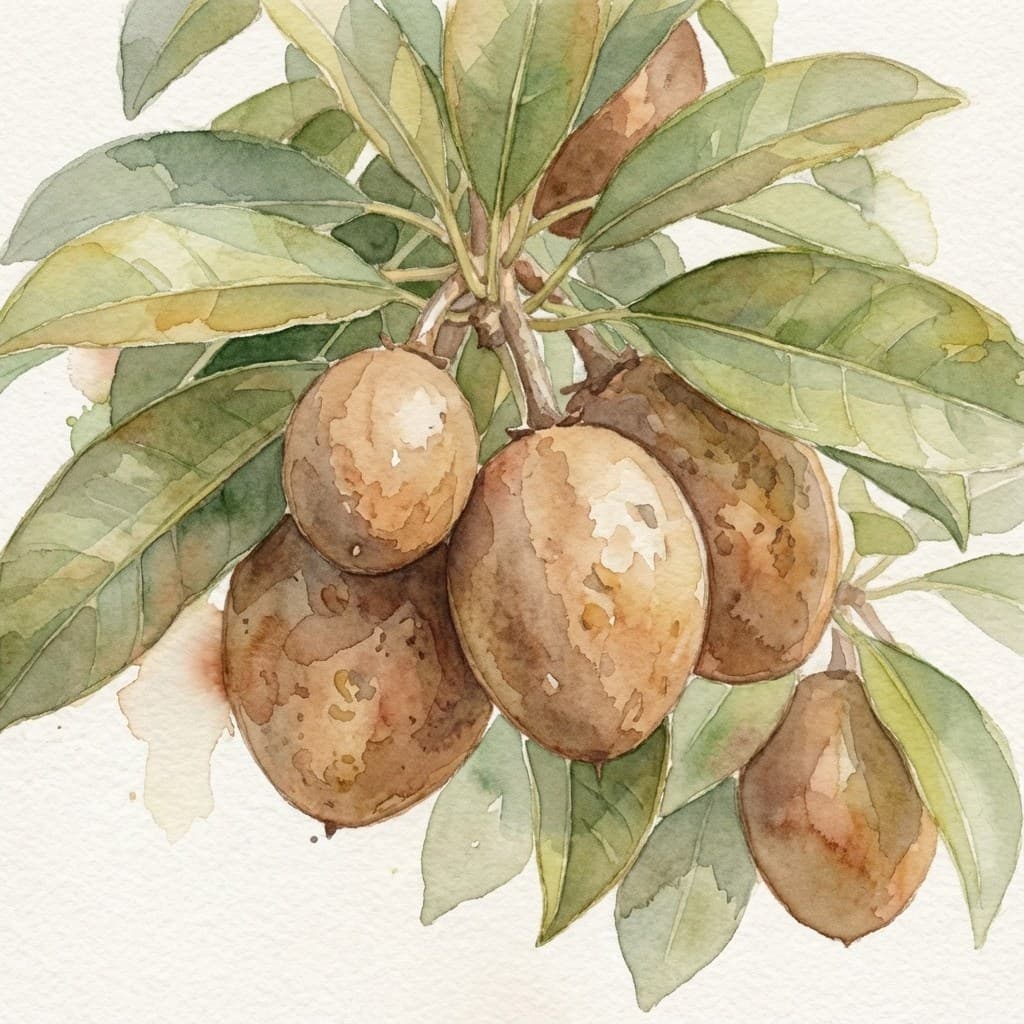

More from Save Farm
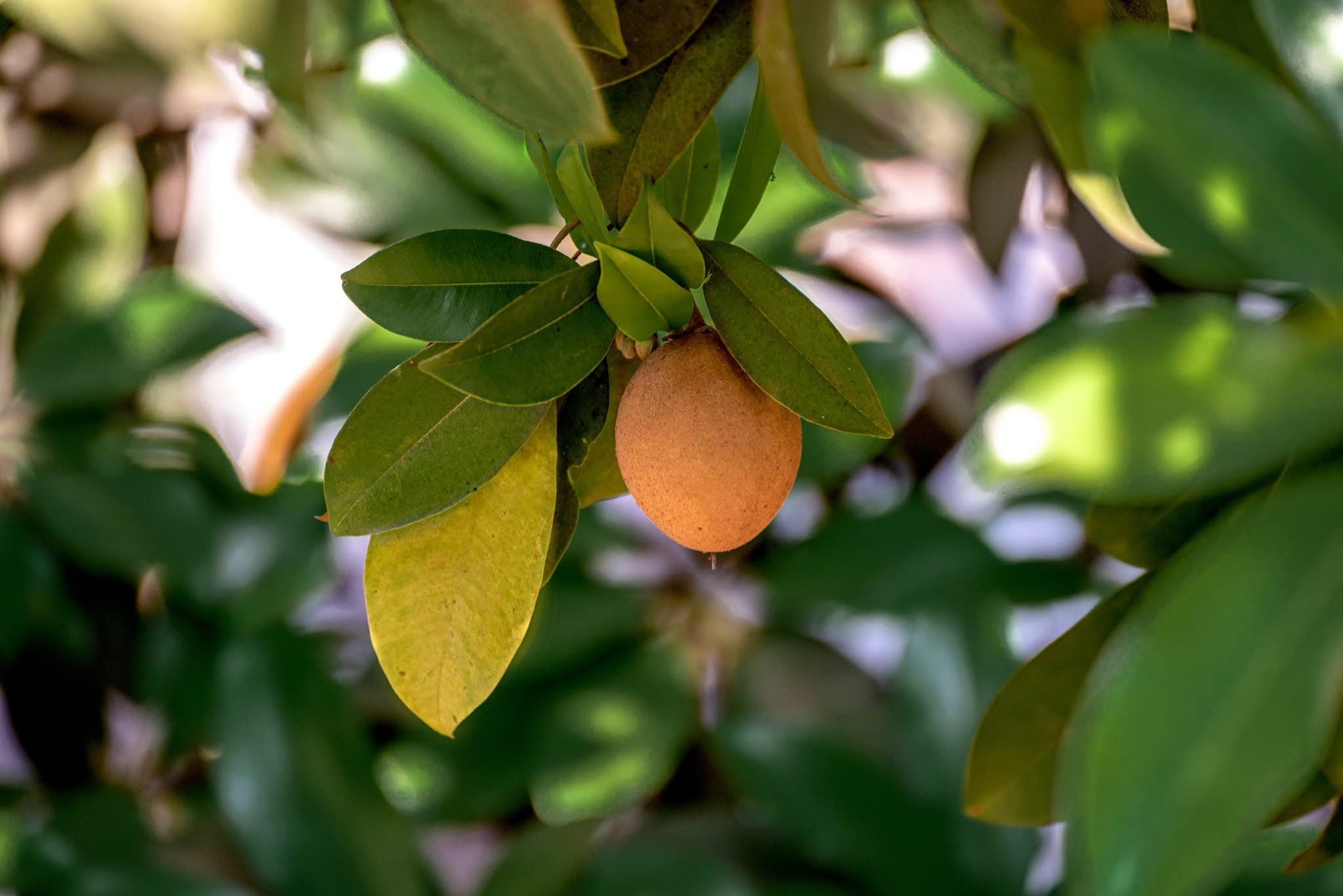
The Chikoo Orchards of Gholvad
Walk through a 25-acre GI-tagged chikoo orchard in Dahanu. Pick sapota straight from the tree, hear the story of Gholvad's sweetest fruit, and sit down to a farm-cooked meal. 2.5 hours from Mumbai.
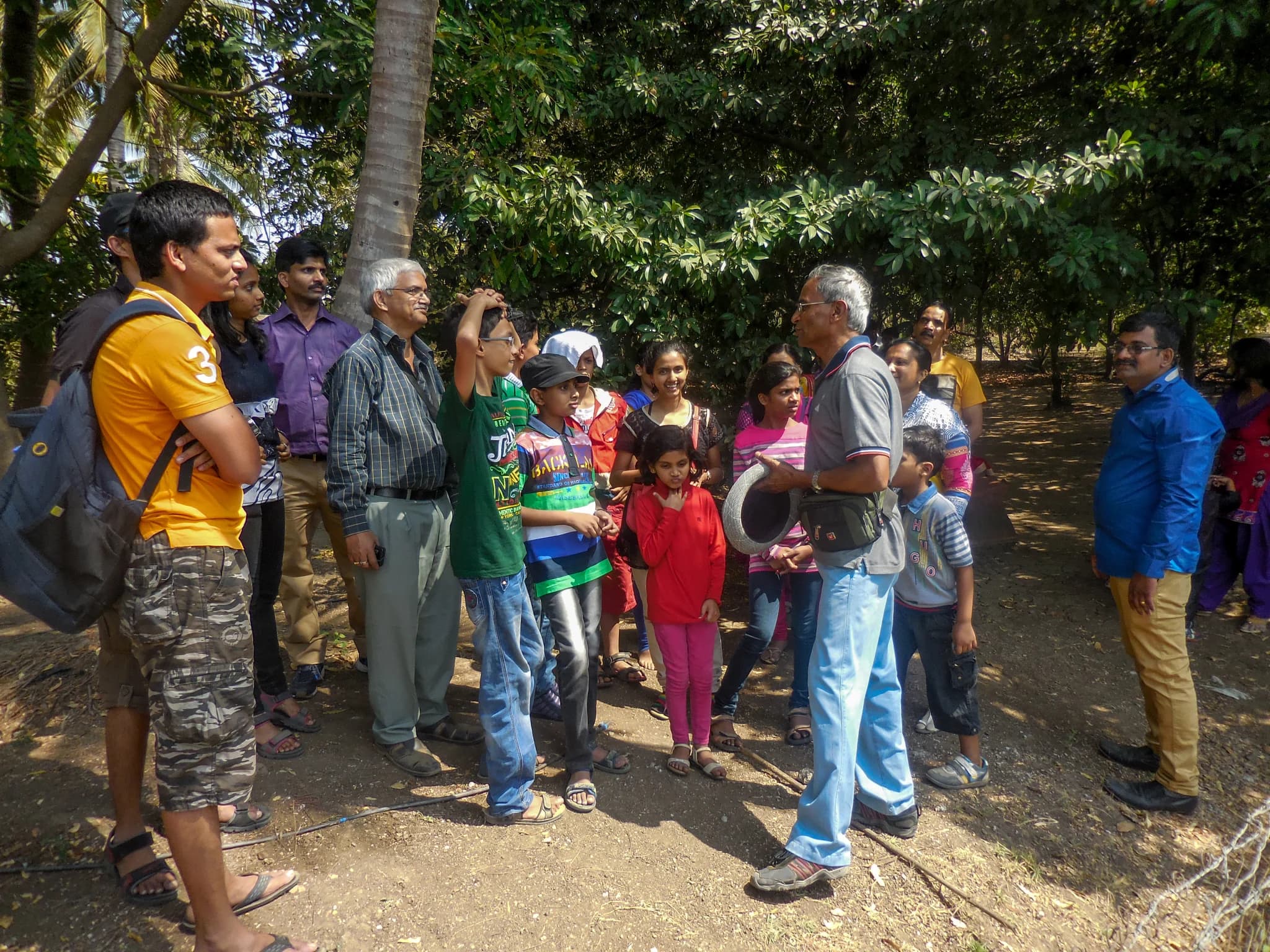
A Day on the Farm — Group Outings Near Mumbai That Feel Like an Escape
25 acres, 6 hours, and something for every age — the group outing near Mumbai that actually works. For groups of 10+.